


The Importance of Hygienic Kitchen Cleaning for Your Business
Updated: Jan 28
Maintaining a clean kitchen is not just about appearances. It is a critical factor in running a successful food service operation. A hygienic kitchen ensures food safety, protects your staff and customers, and helps you comply with health regulations. When you prioritise cleanliness, you reduce the risk of contamination and foodborne illnesses. This blog post will guide you through why hygienic kitchen cleaning matters, how to maintain it effectively, and practical tips to keep your kitchen spotless.
Why Hygienic Kitchen Cleaning Matters
A kitchen is a busy environment where food is prepared, cooked, and served. This activity creates many opportunities for germs and bacteria to spread. Without proper cleaning, these harmful microorganisms can contaminate food and surfaces, leading to serious health risks.
Regular cleaning removes grease, food residues, and dirt that attract pests like rodents and insects. These pests can carry diseases and damage your reputation. Moreover, a clean kitchen promotes a safer workplace by reducing slips, trips, and falls caused by spills or clutter.
From a business perspective, maintaining hygiene is essential to pass inspections and avoid fines. It also builds customer trust and loyalty. When customers see a clean kitchen, they feel confident about the quality and safety of the food you serve.
Tip: Schedule daily cleaning tasks and assign responsibilities to ensure nothing is overlooked. Consistency is key to maintaining hygiene standards.
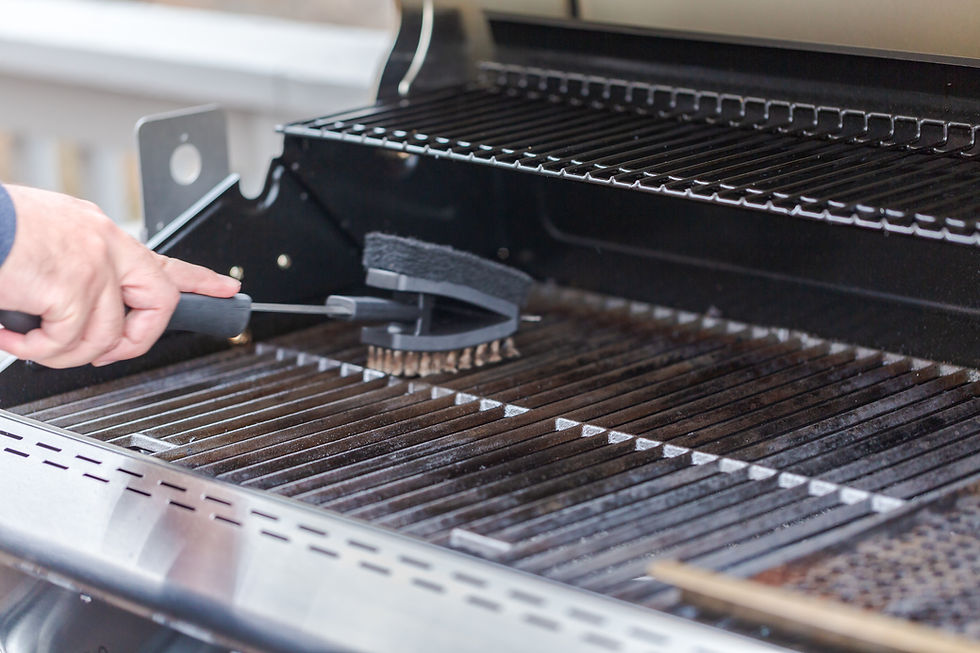
Best Practices for Hygienic Kitchen Cleaning
To keep your kitchen hygienic, you need a clear cleaning plan that covers all areas and equipment. Here are some essential practices:
Clean surfaces regularly: Wipe down countertops, cutting boards, and tables with disinfectant after each use.
Sanitise utensils and equipment: Use hot water and approved sanitising agents to clean knives, pots, pans, and appliances.
Manage waste properly: Empty bins frequently and use sealed containers to prevent odours and pests.
Maintain floors: Sweep and mop floors daily, paying attention to corners and under equipment.
Ventilation and grease traps: Clean exhaust hoods and grease traps to prevent fire hazards and maintain air quality.
Deep cleaning: Schedule weekly or monthly deep cleans for ovens, refrigerators, and storage areas.
Using eco-friendly cleaning products can protect your staff and the environment without compromising effectiveness. Also, train your team on hygiene protocols and the correct use of cleaning tools.
Tip: Keep a cleaning checklist visible in the kitchen to track completed tasks and maintain accountability.

How much to charge per hour for commercial cleaning?
Setting the right price for commercial cleaning services depends on several factors. These include the size of the kitchen, the level of cleaning required, and the frequency of visits. In the UK, typical rates for professional commercial cleaning range from £15 to £30 per hour.
Consider the following when determining your charges:
Scope of work: More complex kitchens with specialised equipment may require higher fees.
Staff experience: Skilled cleaners who understand hygiene standards can command better rates.
Materials and equipment: Include costs for cleaning supplies and machinery.
Travel and time: Factor in travel expenses and time spent on-site.
Offering tailored packages can attract more clients. For example, you might provide daily light cleaning combined with weekly deep cleans at a discounted rate.
Tip: Research local competitors to ensure your pricing is competitive but sustainable.
The Role of Professional Cleaning Services
Outsourcing your kitchen cleaning to professionals can save time and guarantee high standards. Experienced cleaning companies use specialised techniques and equipment to reach areas that are often missed during routine cleaning.
Professional cleaners understand the importance of hygiene in food preparation areas. They follow strict protocols to prevent cross-contamination and comply with UK health and safety regulations. This expertise reduces your risk of violations and improves overall kitchen safety.
Additionally, hiring experts allows your staff to focus on their core duties without worrying about cleaning tasks. This can boost productivity and morale.
Tip: Choose a cleaning company that offers customised services and uses eco-friendly products to align with your business values.
Maintaining Hygiene Beyond Cleaning
Cleaning is just one part of maintaining a hygienic kitchen. You also need to implement good practices in food handling and storage. Here are some recommendations:
Store raw and cooked foods separately to avoid cross-contamination.
Keep refrigerators at the correct temperature and check regularly.
Use colour-coded chopping boards and utensils for different food types.
Encourage frequent hand washing among staff.
Monitor pest control measures consistently.
Regular training sessions on hygiene and safety can reinforce these habits. Remember, a clean kitchen is a safe kitchen, but hygiene is a shared responsibility.
Tip: Conduct periodic audits to identify areas for improvement and ensure compliance with hygiene standards.
Moving Forward with Cleaner Kitchens
Investing in hygienic kitchen cleaning is investing in your business’s future. It protects your customers, supports your staff, and enhances your reputation. Whether you handle cleaning in-house or hire professionals, make sure you prioritise thorough and regular cleaning routines.
If you want to learn more about how to keep your kitchen spotless and safe, consider exploring commercial kitchen cleaning services. They offer tailored solutions designed to meet the unique needs of UK businesses.
By committing to cleanliness and hygiene, you create a welcoming environment that encourages repeat business and long-term success. Start today and see the difference a hygienic kitchen can make.
This post was created to help UK businesses understand the critical role of hygienic kitchen cleaning and how to implement effective practices.


Comments