


Essentials of Comprehensive Industrial Cleaning
- johngilbert6
- Mar 10
- 4 min read
When you manage a busy industrial facility, cleanliness is not just about appearances. It’s about safety, efficiency, and compliance. I’ve learned that comprehensive industrial cleaning is a critical part of maintaining a productive and safe environment. It goes beyond simple tidying up. It involves specialised techniques, equipment, and expertise tailored to the unique challenges of industrial settings.
Understanding these essentials can help you make informed decisions about your cleaning needs. Whether you run a factory, warehouse, or manufacturing plant, knowing what to expect from professional cleaning services will save you time and money.
Why Comprehensive Industrial Cleaning Matters
Industrial environments face specific challenges that require more than standard cleaning. Dust, grease, chemical residues, and heavy machinery all contribute to a complex cleaning landscape. If these elements are not properly managed, they can cause equipment failure, health hazards, and regulatory fines.
Comprehensive industrial cleaning addresses these issues by:
Removing hazardous substances safely
Preventing contamination of products and equipment
Enhancing worker safety and comfort
Extending the lifespan of machinery
Ensuring compliance with health and safety regulations
For example, in a food processing plant, thorough cleaning prevents bacterial growth that could spoil products or cause illness. In a manufacturing facility, removing dust and debris reduces fire risks and keeps machines running smoothly.

Key Components of Comprehensive Industrial Cleaning
To achieve effective results, industrial cleaning must cover several key areas. Here’s what you should expect from a professional service:
1. Surface Cleaning and Degreasing
Industrial surfaces often accumulate grease, oil, and dirt. Using specialised degreasers and cleaning agents ensures these residues are removed without damaging equipment. High-pressure washing and steam cleaning are common methods.
2. Machinery and Equipment Cleaning
Machines require careful cleaning to avoid damage. Professionals use non-abrasive tools and solvents designed for specific materials. This prevents corrosion and maintains operational efficiency.
3. Floor and Drain Cleaning
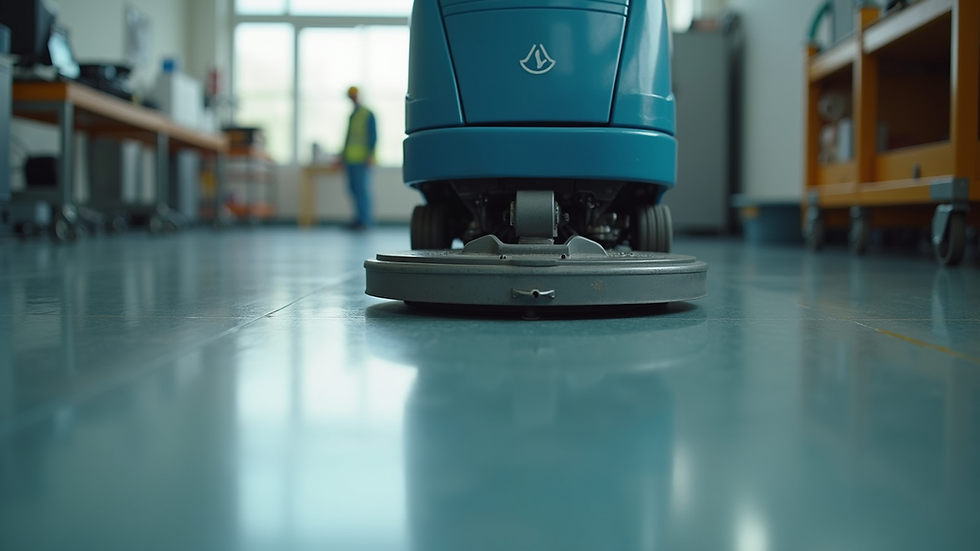
Floors in industrial settings endure heavy traffic and spills. Regular cleaning prevents slips and falls. Drain cleaning is also essential to avoid blockages and contamination.
4. Waste and Hazardous Material Disposal
Proper disposal of industrial waste, including hazardous materials, is critical. Cleaning services must follow strict regulations to protect the environment and workers.
5. Air Duct and Ventilation Cleaning
Dust and pollutants can accumulate in ventilation systems, affecting air quality. Cleaning these systems improves workplace health and reduces fire hazards.
6. Customised Cleaning Plans
Every industrial site is different. A tailored cleaning plan considers the specific needs, schedules, and safety requirements of your facility.
What is the difference between industrial cleaning and commercial cleaning?
It’s easy to confuse industrial cleaning with commercial cleaning, but they serve different purposes and environments.
Industrial cleaning focuses on heavy-duty cleaning tasks in factories, warehouses, and manufacturing plants. It deals with hazardous materials, machinery, and strict safety standards. The cleaning agents and equipment used are specialised to handle tough grime, grease, and industrial waste.
Commercial cleaning, on the other hand, typically involves offices, retail spaces, and public buildings. It focuses on maintaining cleanliness and hygiene in areas with lighter foot traffic and less exposure to hazardous substances. The methods and chemicals used are generally milder and geared towards aesthetics and general sanitation.
Understanding this difference helps you choose the right service for your needs. Industrial cleaning requires trained professionals who understand the risks and regulations involved.
How to Choose the Right Industrial Cleaning Service
Selecting a cleaning provider is a crucial decision. Here are some tips to help you find a reliable partner:
Check experience and expertise: Look for companies with proven experience in your industry.
Verify certifications and compliance: Ensure they follow health, safety, and environmental regulations.
Ask about equipment and methods: Modern, eco-friendly equipment is a plus.
Request customised cleaning plans: Your facility’s needs should be the priority.
Read reviews and ask for references: Feedback from other clients can reveal reliability and quality.
Consider availability and flexibility: Industrial cleaning often requires work outside normal hours to avoid disrupting operations.
By following these guidelines, you can secure a service that keeps your facility spotless and safe.
Benefits of Eco-Friendly Industrial Cleaning
Sustainability is becoming a priority for many businesses. Eco-friendly industrial cleaning uses biodegradable products and energy-efficient equipment. This approach reduces environmental impact and can improve your company’s reputation.
Some benefits include:
Lower chemical exposure for workers
Reduced waste and pollution
Compliance with environmental regulations
Potential cost savings through efficient processes
If you want to support green initiatives while maintaining high cleaning standards, ask your provider about their eco-friendly options.
Final Thoughts on Maintaining a Clean Industrial Facility
Keeping your industrial site clean is an ongoing commitment. It requires the right knowledge, tools, and partners. By investing in comprehensive industrial cleaning, you protect your assets, ensure safety, and promote a healthy work environment.
If you want to explore professional options, consider industrial cleaning services that offer tailored solutions for your business. Remember, a clean facility is a productive facility.
Stay proactive, schedule regular cleanings, and don’t hesitate to ask questions. Your workplace deserves the best care possible.


Comments