


Essentials of Comprehensive Industrial Cleaning
- johngilbert6
- Feb 16
- 3 min read
When you manage a busy industrial facility, cleanliness is not just about appearances. It’s about safety, efficiency, and compliance. I’ve learned that comprehensive industrial cleaning is a critical part of maintaining a productive and safe environment. It goes beyond regular tidying up and requires specialised knowledge, equipment, and techniques. Let me walk you through the essentials you need to know to keep your industrial space in top shape.
Why Comprehensive Industrial Cleaning Matters
Industrial environments face unique challenges. Dust, grease, chemical residues, and heavy machinery all contribute to a complex cleaning scenario. Without proper cleaning, these factors can lead to equipment failure, health hazards, and even legal penalties.
Comprehensive industrial cleaning ensures:
Safety: Removing hazardous substances reduces the risk of accidents and health issues.
Efficiency: Clean machinery runs better and lasts longer.
Compliance: Meeting industry regulations avoids fines and shutdowns.
Professional Image: A clean facility reflects well on your business.
For example, in a manufacturing plant, accumulated grease can cause machines to overheat or malfunction. Regular cleaning prevents costly downtime and repairs. Have you ever considered how much productivity you lose when equipment is out of order due to poor maintenance?
Key Components of Comprehensive Industrial Cleaning
To achieve thorough cleaning, you need to focus on several components:
1. Surface Cleaning
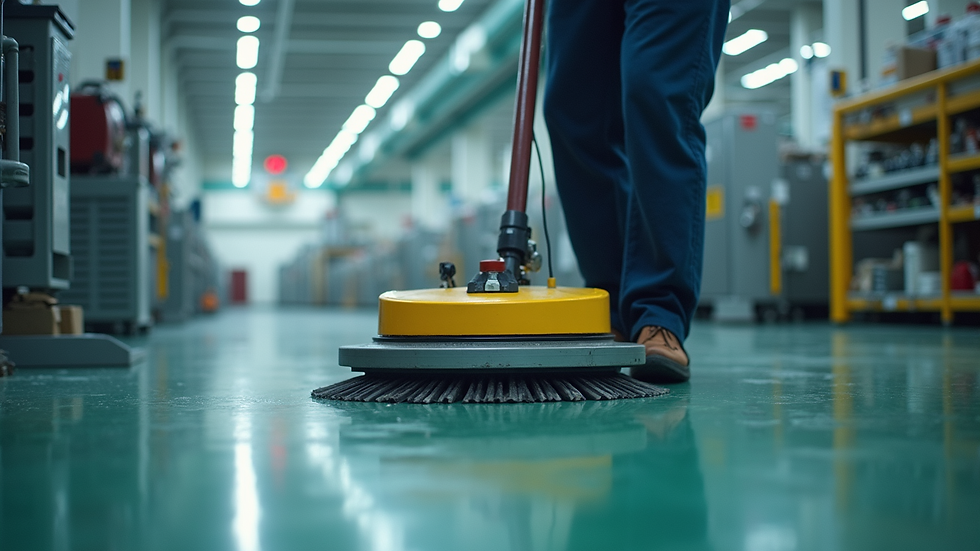
This includes floors, walls, ceilings, and workstations. Industrial floors often require heavy-duty scrubbing machines to remove oil, dirt, and debris. Walls and ceilings may need pressure washing or specialised chemical treatments.
2. Equipment Cleaning
Machinery and tools accumulate grime that can affect performance. Cleaning these requires knowledge of the equipment and safe handling of cleaning agents.
3. Waste Management
Proper disposal of industrial waste, including hazardous materials, is essential. This involves sorting, containment, and following environmental regulations.
4. Air Quality Control
Dust and airborne particles can harm workers and contaminate products. Industrial cleaning often includes air duct cleaning and filtration system maintenance.
5. Specialised Cleaning
Some industries require unique cleaning methods, such as chemical cleaning in pharmaceutical plants or high-pressure steam cleaning in food processing.
Each of these components demands trained staff and the right equipment. Skimping on any part can compromise the entire cleaning process.
What is the difference between industrial cleaning and commercial cleaning?
You might wonder how industrial cleaning differs from commercial cleaning. While both aim to maintain cleanliness, their scope and methods vary significantly.
Industrial Cleaning focuses on heavy-duty cleaning in factories, warehouses, and manufacturing plants. It deals with hazardous materials, machinery, and strict safety standards.
Commercial Cleaning typically covers offices, retail spaces, and public buildings. It involves routine cleaning like vacuuming, dusting, and waste removal.
Industrial cleaning requires specialised equipment such as floor scrubbers, pressure washers, and chemical treatments. It also demands adherence to health and safety regulations specific to industrial environments.
In contrast, commercial cleaning is more about maintaining a pleasant and hygienic environment for employees and customers. The cleaning agents and tools used are generally less aggressive.
Understanding this difference helps you choose the right service for your business needs. If your facility involves heavy machinery or hazardous substances, comprehensive industrial cleaning is the way to go.

Choosing the Right Cleaning Partner
Selecting a professional cleaning company is crucial. You want a partner who understands your industry’s demands and can tailor their services accordingly.
Here are some tips to help you choose:
Experience: Look for companies with proven expertise in industrial cleaning.
Certifications: Ensure they comply with health, safety, and environmental standards.
Customisation: Your cleaning needs are unique. The provider should offer tailored solutions.
Eco-Friendly Practices: Sustainable cleaning methods protect your workers and the environment.
Reliability: Consistent service delivery is key to maintaining cleanliness.
Ask potential providers about their equipment, cleaning agents, and staff training. A reputable company will be transparent and willing to discuss your specific requirements.
Maintaining Cleanliness Between Professional Visits
Even with regular professional cleaning, daily upkeep is essential. Here are some practical tips you can implement:
Encourage workers to clean their workstations regularly.
Use mats and barriers to reduce dirt entering the facility.
Schedule routine inspections to identify problem areas early.
Provide proper waste disposal bins and train staff on segregation.
Maintain ventilation systems to reduce dust accumulation.
These small steps complement professional cleaning and help maintain a safe and efficient workplace.
Final Thoughts on Industrial Cleaning Essentials
Keeping an industrial facility clean is a complex but vital task. Comprehensive industrial cleaning covers everything from surface cleaning to waste management and air quality control. It requires specialised knowledge, equipment, and a commitment to safety and compliance.
By understanding these essentials, you can make informed decisions about your cleaning strategy. Remember, investing in professional cleaning not only protects your assets but also promotes a healthier and more productive environment.
If you want to explore reliable and tailored industrial cleaning services, consider partnering with experts who prioritise your business needs and sustainability.
Clean spaces lead to better business outcomes - why settle for less?


Comments